Museum

When NY Art Museums Are Free/More Affordable

This slideshow requires JavaScript.

Becoming a member of your favorite art museum has many advantages. The most significant reason is the freedom to come and go as often as you like.  But it’s unlikely that you’ll want to become a member of all the art museums NY has to offer. If you find the admission price too steep at some of them, it’s good to know that almost all of the NY art museums offer a weekly opportunity to visit for free or allow you to choose the price.

When Are They Free?

Below is a list of NY art museums that offer either weekly free admissions or are always free:

American Folk Art Museum – always free

Bronx Museum of the Arts – always free

Jewish Museum – Saturdays, all day

MOMA – Fridays  4:00pm-8:00pm

Neue Galerie – First Fridays of every month from 6:00pm-8:00pm

The Rubin Museum of Art – Fridays 6:00pm-10:pm

Studio Museum of Harlem – Sundays, all day

 “Pay As You Wish” Museums

There are some museums that have a suggested donation amount. This is what they would like you to pay but will accept any amount you offer. There are other museums that have a set admissions price but have a time when they will allow you to pay whatever you wish. Below is a list of museums with both options.

Brooklyn Museum – suggested donation all the time $12 for adults

El Museo del Bario – suggested donation $9 all the time

The Frick – Sundays 11:00am-1:00pm

The Guggenheim – Saturdays 5:45pm-7:45pm

Metropolitan Museum of Art – suggested donation all the time $25 for adults

MOMA PS1 – suggested donation all the time $10 for adults

Museum of Arts and Design – Thursdays 6:00pm-9:00pm

The New Museum – Thursdays 7:00pm-9:00pm

Whitney Museum of American Art – Fridays 6:00pm-9:00pm

 5th Annual Chelsea Artwalk

Just a note regarding Chelsea Galleries. On Thursday, July 24th from 5pm-8pm you can join a free tour of the Chelsea art galleries. for more information go to: www.chelseaartwalk2014.com
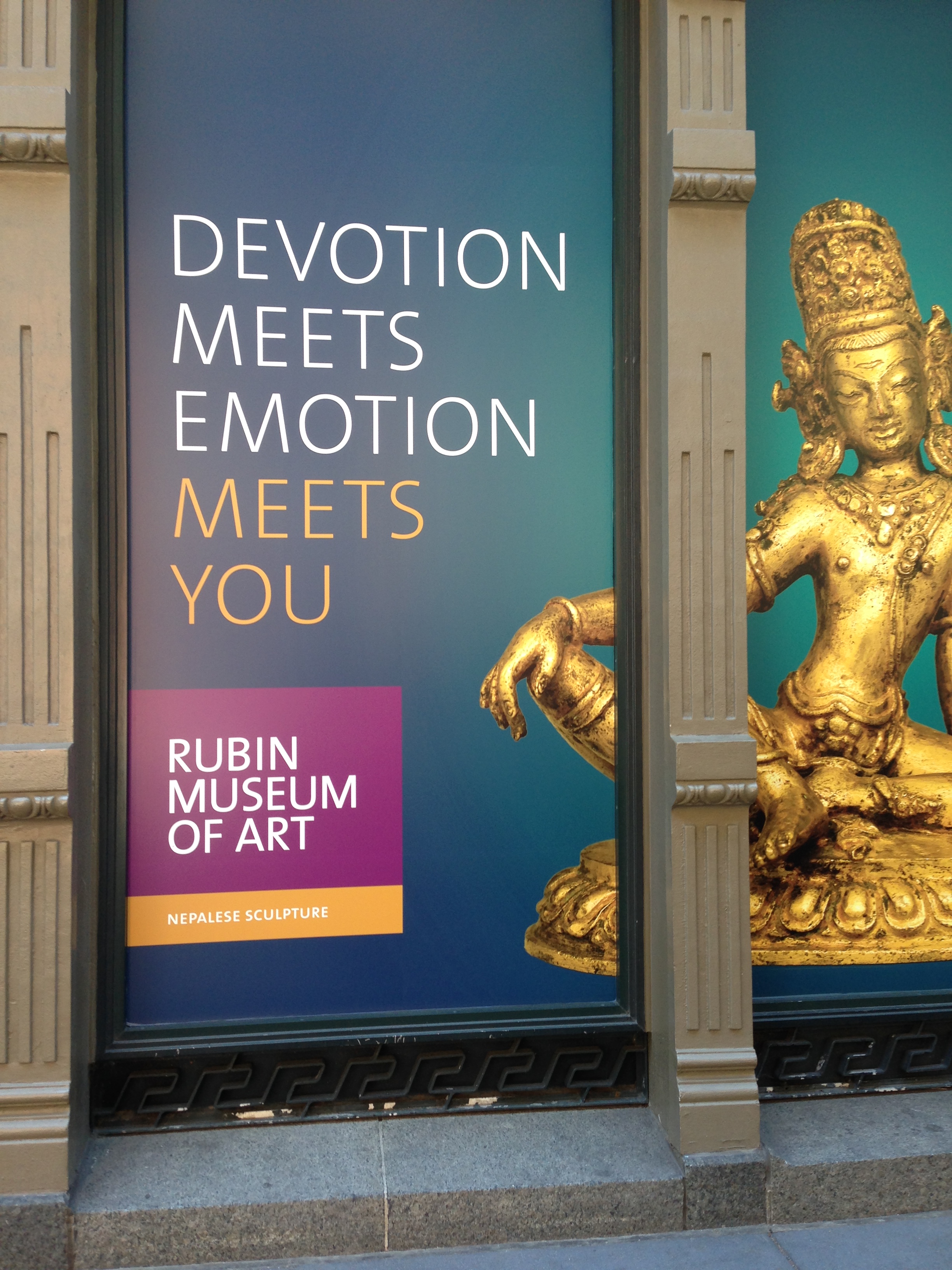
The Rubin Museum: Art from the Himalayas, India, and Surrounding Regions

photo_1 (24) Located on West 17th Street, The Rubin Museum of Art opened in October 2004 and is recognized as the premier museum of Himalayan art in the Western world. The museum’s collection of more than 2,000 works of art includes examples of Himalayan paintings, sculptures, textiles, ritual objects, and prints spanning the 2nd to the 20th century. The museum’s collection also includes  countries and cultures that encompass this region, from Afghanistan in the northwest to Myanmar (Burma) in the southeast and includes Tibet, Nepal, Mongolia, and Bhutan.

This slideshow requires JavaScript.

The museum has a rotating exhibition, called Masterworks: Jewels of the Collection, which “explores major strands in the development of Himalayan art, covering a period of over 1,000 years, and presents some regional artistic traditions in their broad cultural, geographic, historical, and stylistic contexts.”  The exhibit showcases Tibetan diversity,  both over time, and in relation to neighboring Bhutan, India, Kashmir, Nepal, China, and Mongolia. I really liked the bronze statues on display

Bodies In Balance: The Art of Tibetan Medicine

Bodies In Balance: The Art of Tibetan Medicine

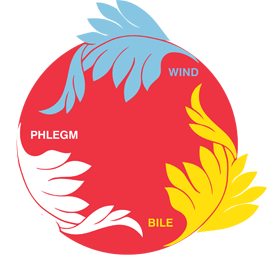
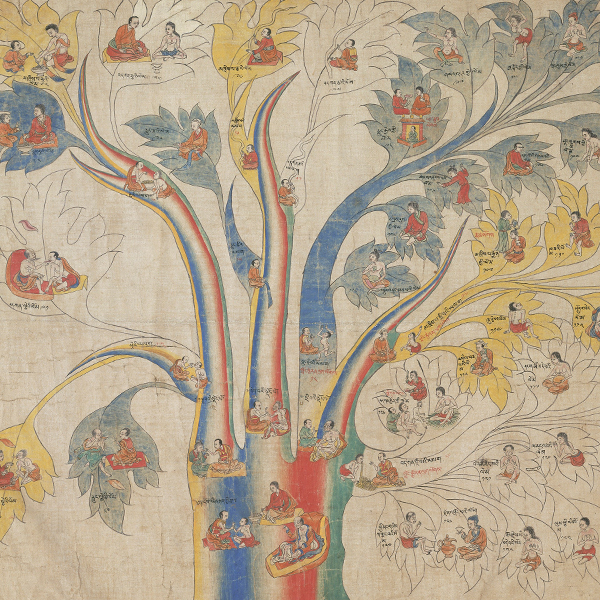
Bodies in Balance: The Art of Tibetan Medicine, is one of the Rubin’s special exhibits. It explores the guiding principles of the Tibetan science of healing  and is brought to life through medical paintings, manuscripts, and medical instruments.

The three forces

The three forces

To help hit home the message of the exhibit, the museum  invites visitors to take an “Are You In Balance?” quiz. The self-scored test emphasizes the focus of Tibetan medicine: the human body is composed of three forces responsible for physical and mental health. Good health is achieved when these forces are in balance. Once you’ve taken the quiz you can learn how Tibetan medicine would recommend gaining balance. You can even purchase  some of these “medicines” in the museum’s gift shop, “Bodies In Balance” will be on view through September 8, 2014.

Try Something New at the Museum Mile Festival

map

The 36th Annual Museum Mile Festival will take place this year on Tuesday, June 10th from 6-9pm. It’s an evening when nine museums along Fifth Avenue (from 82nd-105th Streets)  are all free. Many of the participating museums will offer opportunities to make art. At the Museum of the City of New York you can create a giant chalk mural based on the graffiti styles shown in the “City as Canvas” exhibit on view at the museum.  The Jewish Museum will have music playing, and an opportunity to make works of art inspired by the works of Mel Bochner, using letter stamps and color sticks.

bario frontIt’s great to go into as many museums as you can. I’d also use the evening to go visit a museum you would not normally go to. One to consider is El Museo del Barrio,  focused on the  art and artifacts of Caribbean and Latin American cultures. The museum was founded 40 years ago by artist and educator Raphael Montañez Ortiz and a coalition of parents, educators, artists, and activists who felt that  mainstream museums largely ignored Latino artists. El Museo’s  permanent collection contains over 6,500 objects, including  pre-Columbian Taíno artifacts, twentieth-century drawings, paintings, sculptures and installations, as well as prints, photography, documentary films, and video.

A special exhibit to check out during the Museum Mile Festival is  “Museum Starter Kit: Open With Care.”  This exhibition “explores the significance of the creation of El Museo by focusing on works of art made by Raphael Montañez Ortiz, as the artist turns 80 this year,” according to El Museo.

shoes

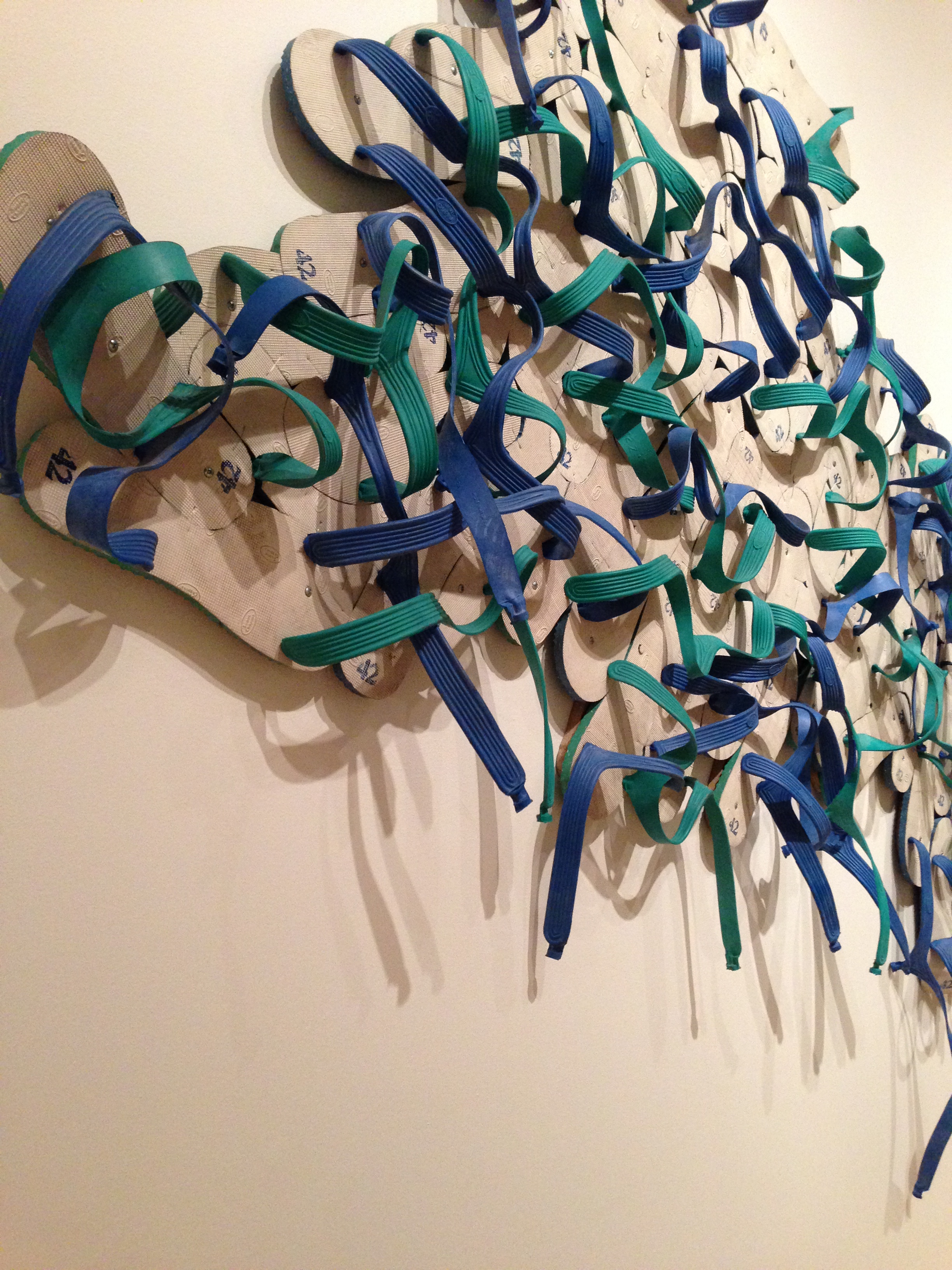
“Suave Chapina” 2007, Benvenuto Chavajay

Another special exhibit with an eclectic group of paintings, sculptures and videos is “Presencia,” which has  works from the museum’s permanent collection. One I really liked was a wall sculpture made from latex flip flops by the Guatemalan artist, Benvenuto Chavajay.

Hidden Treasures At The Met

CharlesJames_hero

The Metropolitan Museum of Art can be an overwhelming place to visit. Most people focus on the special exhibits, and “Charles James: Beyond Fashion,” which opened in early May, is certainly one to see. In the year I’ve been volunteering at the Met, I’ve uncovered several permanent treasures that I probably wouldn’t have ordinarily seen as a casual visitor.

Studiolo from the Ducal Palace in Gubbio

Studiolo from the Ducal Palace in Gubbio


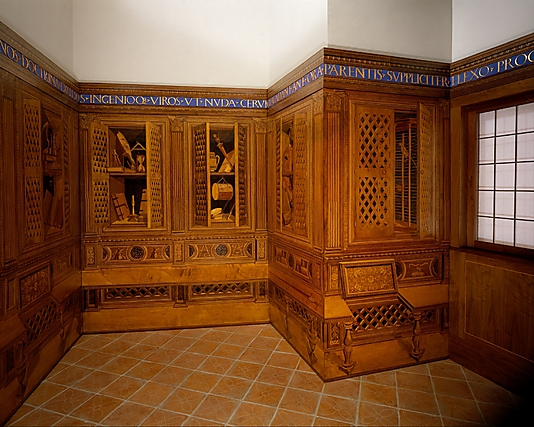
The first is the Studiolo (or study) from the Ducal Palace in Gubbio. Located in gallery 501 in European Sculpture and Decorative Arts,  the  Studiolo was  intended for meditation and study. According to the Met, its walls are carried out in a wood-inlay technique known as intarsia, and the latticework doors of the cabinets demonstrate a contemporary interest in linear perspective.

The Astor Chinese Garden Court

The Astor Chinese Garden Court

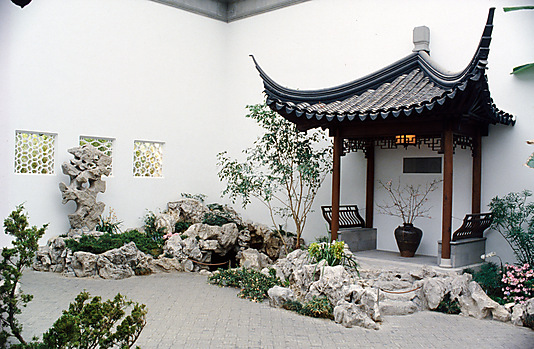
Another meditative spot is the Astor Chinese Garden Court located in gallery 217 in the Asian wing. A recreation of a Ming Dynasty garden, the Astor Court was part of the first cultural exchange between the US and the People’s Republic of China.

snuff bottle

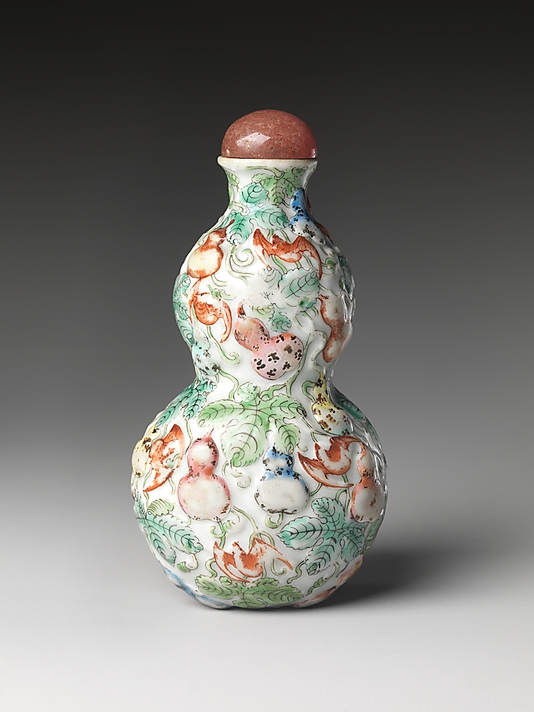
On your way to the garden stop by gallery 207 to see “Small Delights: Chinese Snuff  Bottles.” It will be on view through June 14, 2014 and they are truly delightful tiny works of art you might have otherwise passed by.

Trumpet Call Harmonica

Trumpet Call Harmonica

Located between European paintings and the American Wing, is another hidden treasure at the Met — The André Mertens Galleries for Musical Instruments. In  galleries 680-684, you can find traditional instruments like guitars and flutes as well as some unusual ones like the trumpet call harmonica pictured above. One hall is devoted to Western instruments, arranged by type or family, and the other to non-Western instruments, grouped geographically. Many of the instruments may be heard on the Met’s audio guide.

Gallery 354: Arts of Melanesia

Gallery 354: Arts of Melanesia

Another often missed area of  the Met are the 9 galleries that comprise the Arts of Africa, Oceania, and the Americas. While they are all really interesting, my favorite is gallery 354, home to the Oceanic arts of Melanesia (subdivided into two areas: New Guinea and Island Melanesia) and Australia. Covering most of the ceiling in the room is a ceremonial house ceiling from the Kwoma people, which can be seen in the photo above.

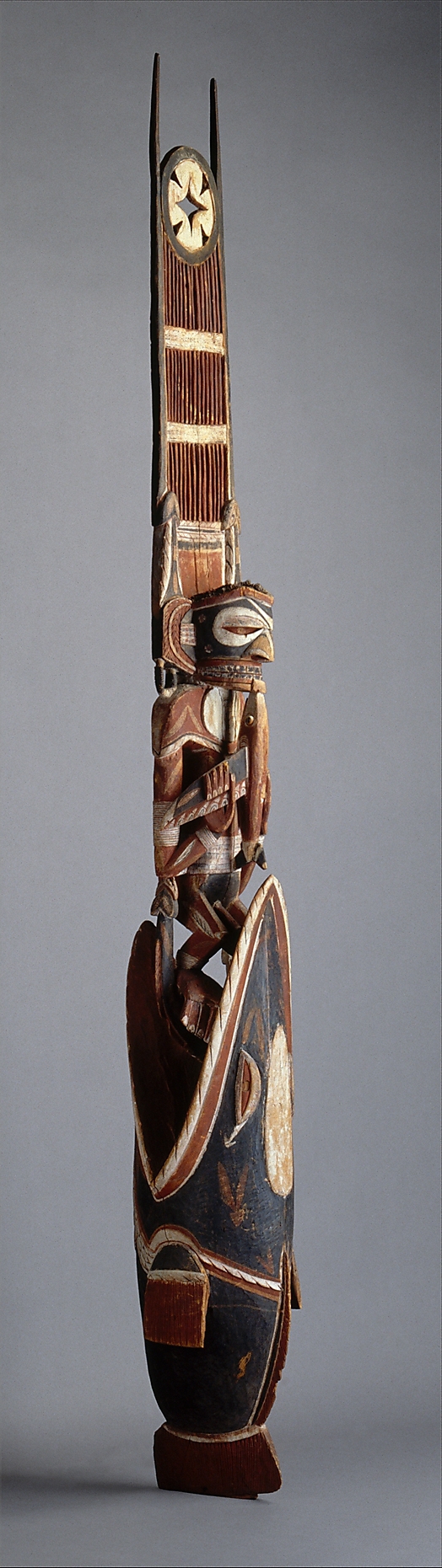
Funerary carving (late 19th early 20th century); Papua, New Guinea

Funerary carving (late 19th early 20th century); Papua, New Guinea

Equally interesting are the funerary carvings that line one side of the room. They are part of malagan, the collective name for a series of ceremonies, as well as the masks and carvings associated with them. As described at the exhibit, these rituals, still practiced today, are held primarily in memory of the dead and combined with initiation ceremonies in which young men symbolically replace those who have died.

So by all means, see the Met’s special exhibits, but leave yourself some time to view some of the museum’s hidden treasures.