Art

Art In The Village: Labor Day Weekend

Washington Square Outdoor Art Exhibit in New York City

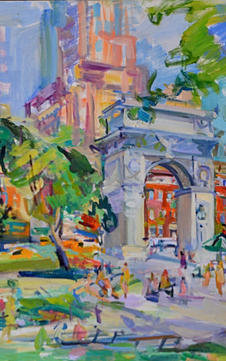
The Arch in Washington Square Park by Sonia Grineva

For the past 84 years, Washington Square  has been host to an annual art exhibit. This year The Washington Square Outdoor Art Exhibit will take place August 30- September 1 and the following weekend, September 6-7.

You will find fine arts, photography, crafts and sculpture along the sidewalks of University Place from East 13th Street south along the side of Washington Square Park to NYU’s Schwartz Plaza.

Don’t miss this opportunity to have a New York experience in the waning days of summer.

The Bronx Museum of the Arts

museum1

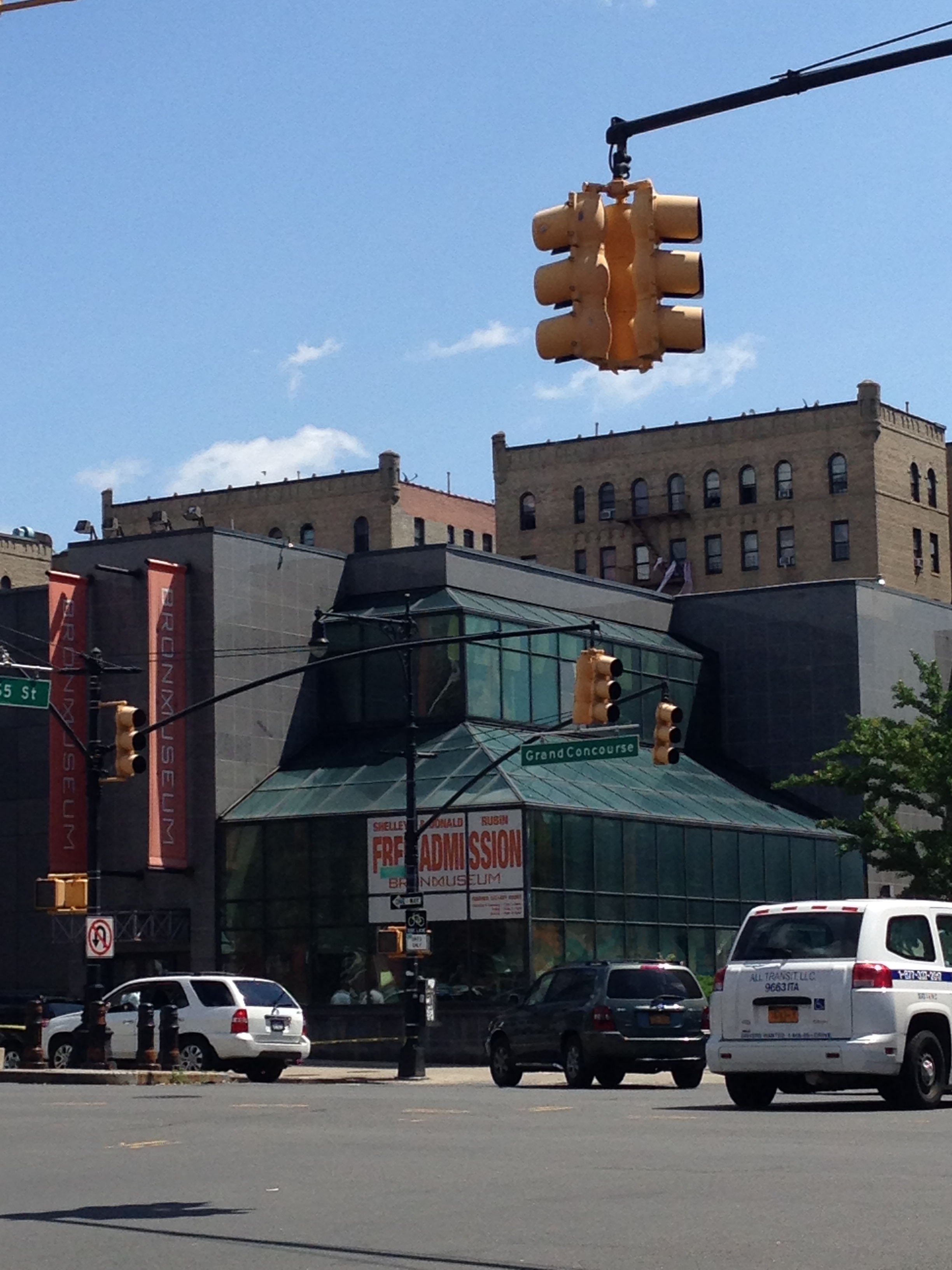
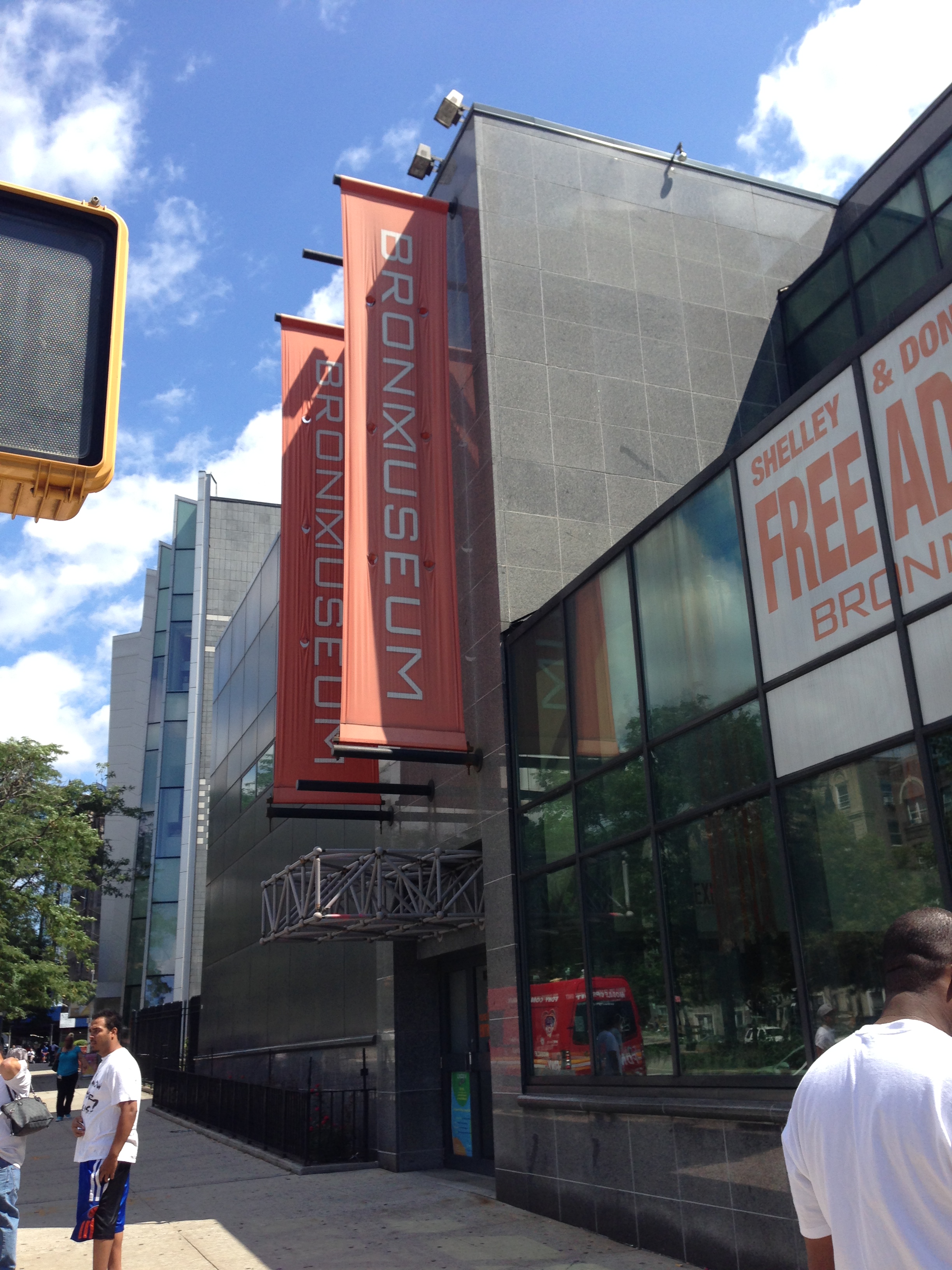
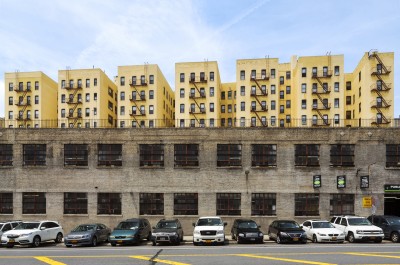
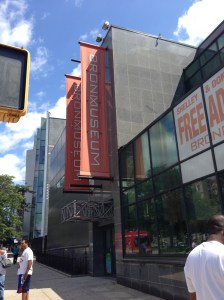
The county courthouse still looms over 161st street, but the Yankees have a new home; the corner candy store is a Burger King; and the synagogue I went to as a kid is now a museum.  While change can be hard, it was more than made up for by my visit to the Bronx Museum of the Arts. Located at 165th street and the Grand Concourse, at the site of the former Young Israel of the Grand Concourse, the Bronx Museum offers an eclectic collection of artworks.
museum

The museum was founded in 1971 and is a contemporary art museum that “connects diverse audiences to the urban experience through its permanent collection, special exhibitions, and education programs.”  There were several interesting exhibits on view when I was there, including a large scale installation by Sarah Sze called “Triple Point (Planetarium),” recently reviewed in the New York Times.

This slideshow requires JavaScript.

I really enjoyed  a charming exhibit on the museum’s terrace called “One Kind of Behavior.” The installation, by Taiwanese artist Shyu Ruey-Shiann, consists of overturned buckets mechanically opening and shutting in response to the wind. The installation, according to the museum, was inspired by the quasi-mechanical movements of creatures such as the hermit crabs. “The artist sees in the random opening and closing of their shells on the beach, a stark contrast with contemporary society where things move at high speed.” This exhibit closed August 17th. But several others are still on view.

This slideshow requires JavaScript.

“Portraits of Veterans”  is a series of colorful paintings by Nina Talbot based on interviews she conducted with men and women from the U.S. Military. The ten paintings in the show, displayed in a bright gallery overlooking the street, focus primarily on Bronx residents and  is on view until August 24th.

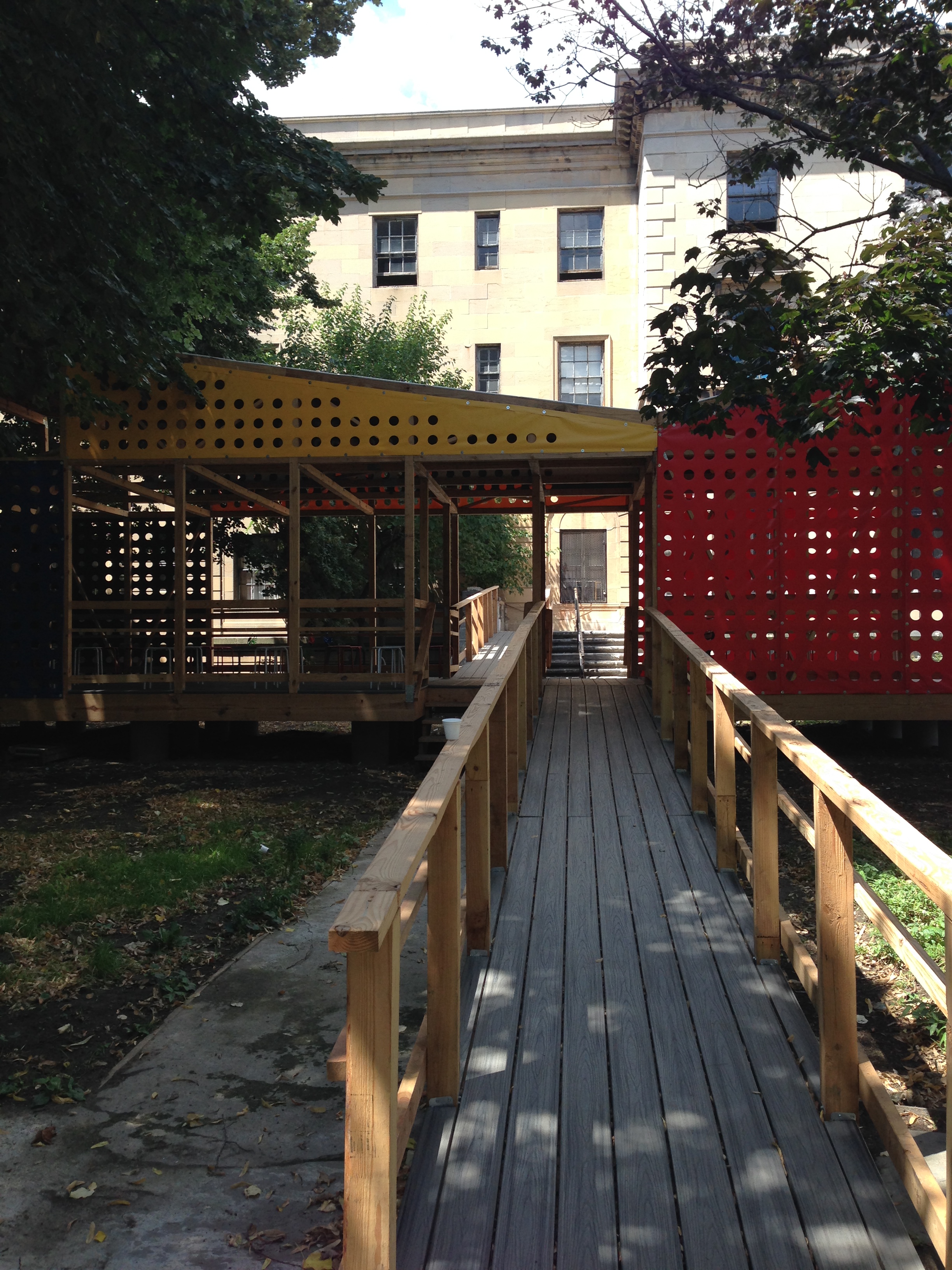
SuperPuesto : temporary pavilion by Terence Gower

SuperPuesto : temporary pavilion by Terence Gower

Diagonally across the street from the museum is “SuperPuesto,” a temporary pavilion by Terence Gower.  The pavilion is part of an exhibition at the Museum entitled “Beyond the Supersquare.” It’s the first U.S. museum exhibition to examine “the complicated legacies of modernist architecture in Latin America and the Caribbean through the perspectives of 30 contemporary artists.”  The pavilion is housed on the grounds of the beautiful Andrew Freedman Home, a “Renaissance Palazzo.”  It served as a home for the elderly for 59 years where “couples and seniors lived out their twilight years in delightful charm and elegance.”  Today, with landmark status, it is undergoing it’s own renaissance and is “expanding into a new and exciting destination for art, culture, learning and creativity.”

SuperPuesto will be on view until November 16.
The Studio Museum In Harlem


studio

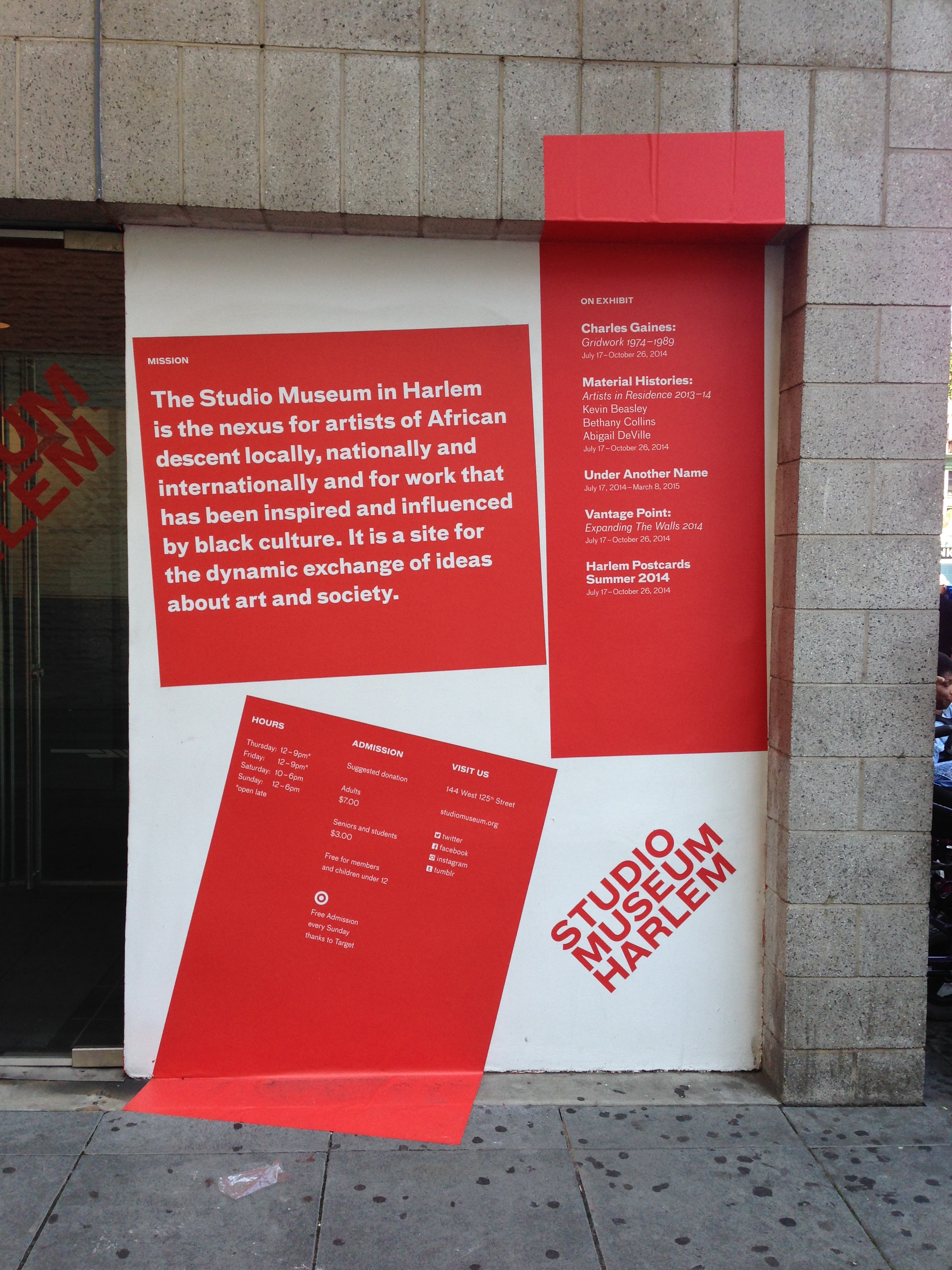
If you weren’t looking for it you would probably pass it by. But the Studio Museum in Harlem is worth seeking out. Founded in 1968 and located on west 125th street, The Studio Museum showcases work from artists of “African descent locally, nationally and internationally,” as well as work that has been inspired and influenced by black culture. The museum’s permanent collection  “represents more than 400 artists, spans 200 years of history and includes over 1,700 works of art, including paintings, drawings, sculptures, watercolors, photographs, videos and mixed-media installations. ”

Albert Vecerka Untitled (from “The Harlem Project” series), 2014

Albert Vecerka
Untitled (from “The Harlem Project” series), 2014

Art work from the ongoing “Harlem Postcards” Project is the first thing you’ll see, even before entering the galleries. The Project invites contemporary artists of varied backgrounds to capture the diversity and vitality of Harlem, culturally or politically Each photograph is reproduced as a limited edition postcard and available free to visitors.

This slideshow requires JavaScript.

What I really love about the museum is that the gallery space is bright and broad, and the art work is very accessible.  And though the museum is small, there is usually 1 large exhibit and 1-2 smaller exhibits on view. Recently opened is  “Charles Gaines: Gridwork 1974-1989. Gaines is a Los Angeles based conceptual artist and is celebrated  for his photographs, drawings and works on paper that “investigate systems, cognition and language.” I was particularly taken by the “Numbers and Trees” series; both the individual paintings and the collection viewed as as whole. What I learned at the exhibit was that Gaines often began these works with an arbitrarily selected arithmetic formula. He then used the formula to generate shapes plotted on a grid. As you view each painting you can see how these grids progressed.

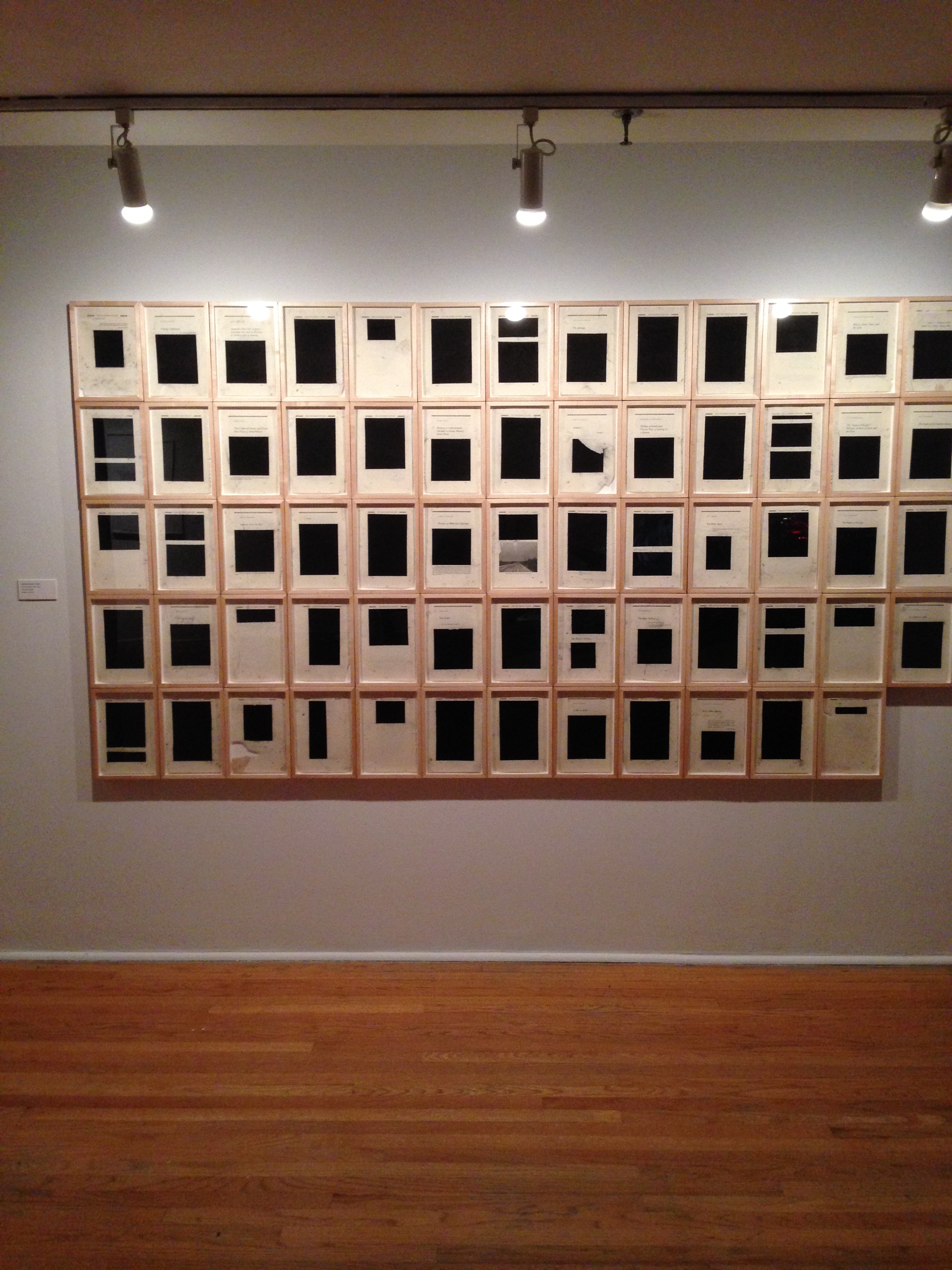
Bethany Collins: Southern Review, 1987, 2014

Bethany Collins: Southern Review, 1987, 2014

“Material Histories: Artists In Residence 2013-14″ is another special exhibit featuring the works of three young artists, Kevin Beasley, Bethany Collins and Abigail DeVille. They were all awarded an eleven-month residency at the Studio Museum as part of the Museum’s commitment to support emerging artists. I really liked the work of Ms. Collins. ArtsATL.com describes Collins as “a conceptual artist who makes alluring paintings. She parses, decodes and deconstructs language and then deploys sentences, words and letters as visual vocabulary.” In one piece, Collins taped pages of the 1993 edition of Southern Review to the wall and blacked out the text, creating rectangular blocks. Up close you can see what was blackened, but from afar the pieces work together to create an engaging abstract visual.

Both these exhibits will be on view until October 26.

Bard Graduate Center: Art and Design From Colombia


bardThe Bard Graduate Center: Decorative Arts, Design History, Material Culture, is a  research institute of Bard College on West 86th street that opened in New York City in 1993. Of particular interest to an art lover is the  gallery affiliated with the graduate center. Located down the block in a lovely brownstone, the gallery presents two exhibitions annually, curated by members of the faculty, staff, or curatorial consultants with specialized expertise.

This slideshow requires JavaScript.

On view now is a visually exciting exhibition called, “Waterweavers: The River in Contemporary Colombian Visual and Material Culture.”  The exhibit, according to the Bard, ” uses the trope of the river as a conceptual device to explore the intricate ways in which culture and nature intertwine across disciplines.”  Seventeen artists, designers and craftspeople are represented with work ranging from the practical, like woven chairs and rugs, to the abstract, like an installation featuring papers and fibers dyed with natural pigments.

It was a bit challenging learning what each piece was because there are no descriptions posted on the walls. The Bard provides a very detailed brochure to read while viewing the pieces. Unfortunately the print was tiny and the lighting not conducive to reading. Nonetheless, there is plenty to take in visually without the background.

“Waterweavers” is on view until August 10th. Don’t miss it.

Peabody Essex Museum — An Art Find Outside of New York

peabody

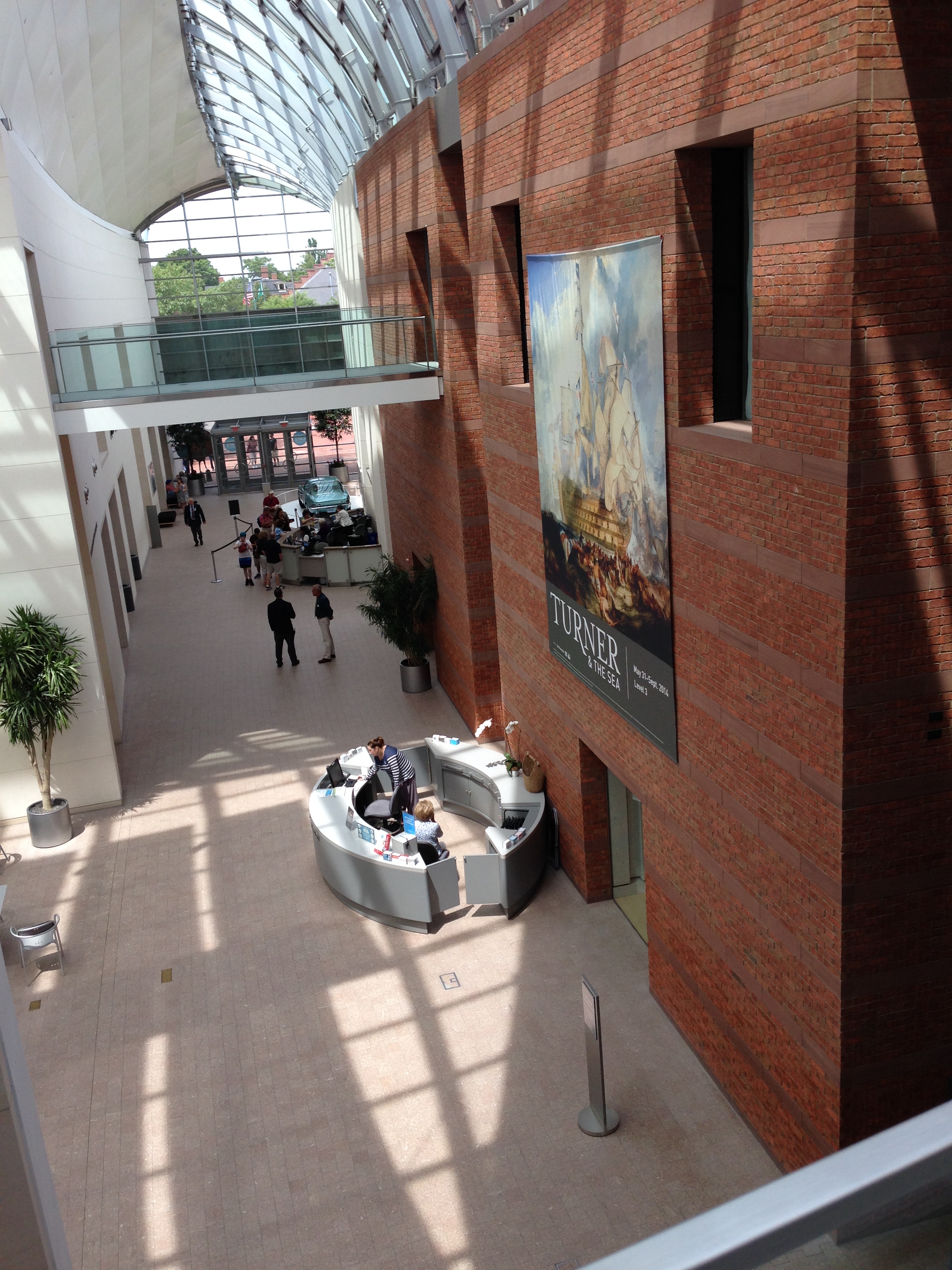
The atrium lobby of the Peabody Essex Museum

Summer is a time for both “staycations” and vacations. When I’m on vacation I try to check out local museums and historical sites. Just recently, I spent the day in Salem, MA.  The reason for the visit was to see the House of the Seven Gables, that inspired the Nathaniel Hawthorne book of the same name. But while I was there, I had the surprising pleasure of getting to know a wonderful art museum, called the Peabody Essex Museum.

Putnam Family Cupboard, 1680

Putnam Family Cupboard, 1680

Founded in 1799, the Peabody Essex Museum  is one of the nation’s major museums for Asian art, including Japanese, Chinese, Korean and Indian art, along with a collection of Asian Export art extant and 19th-century Asian photography. It has the earliest collections of Native American and Oceanic art in the nation.  Their American Collection includes historic houses and gardens, and American decorative art and maritime art collections spanning 300 years of New England’s heritage.

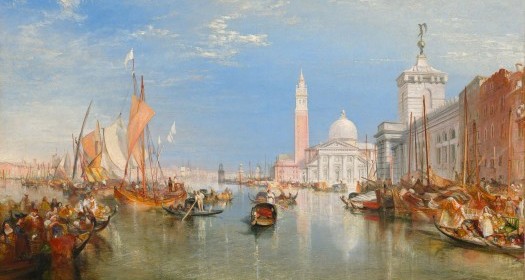
JMW Turner, Venice: The Dogana and San Giorgio Maggiore

JMW Turner, Venice: The Dogana and San Giorgio Maggiore

In addition to the PEM permanent collection, they also have special exhibitions like the current one, Turner & the Sea, on view until September 1st. Throughout multiple gallery rooms, you see the breadth and depth of Joseph Mallord William Turner’s lifelong preoccupation with the sea. It includes his Academy paintings of the late 1790s and early 1800s, to the unfinished, experimental seascapes produced towards the end of his life.

If you are ever visiting Boston or traveling North of there, make a stop in Salem and visit the Peabody Essex Museum.

Museum of Biblical Art: A Contemporary Look at the Old

frontWhile the New York Times beat me to the story about their current exhibit, the Museum of Biblical Art, a free art museum known as MOBIA,  is still worth noting. Founded in 2005, MOBIA is located on Broadway and 61st Street in the same building as the American Bible Society. But it is an independent museum, i.e., not affiliated with a particular religious group. It’s mission is to “engage diverse audiences in the exploration of great works of art inspired by the Bible.”
eden

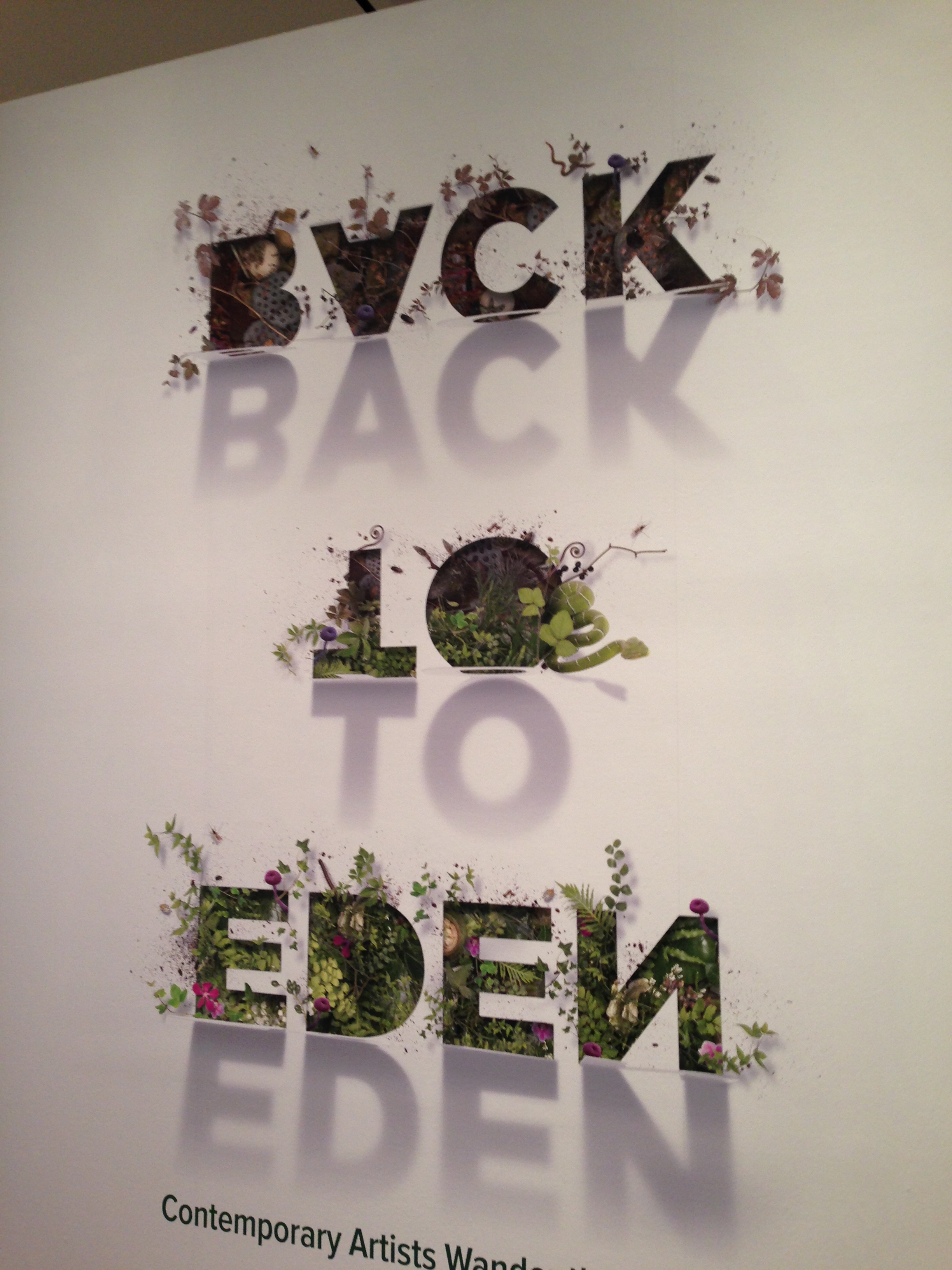
MOBIA is relatively small, with no permanent collection, so the focus is on one special exhibition at a time. On view until September 28 is Back to Eden: Contemporary Artists Wander the Garden. The exhibition brings together work by a group of about 20 contemporary artists. All the pieces in the show were either directly or indirectly inspired by the story of the Garden of Eden. The art work — painting, sculpture, video, among others —  provide a broad view the relationship between humans and the natural world.

This slideshow requires JavaScript.

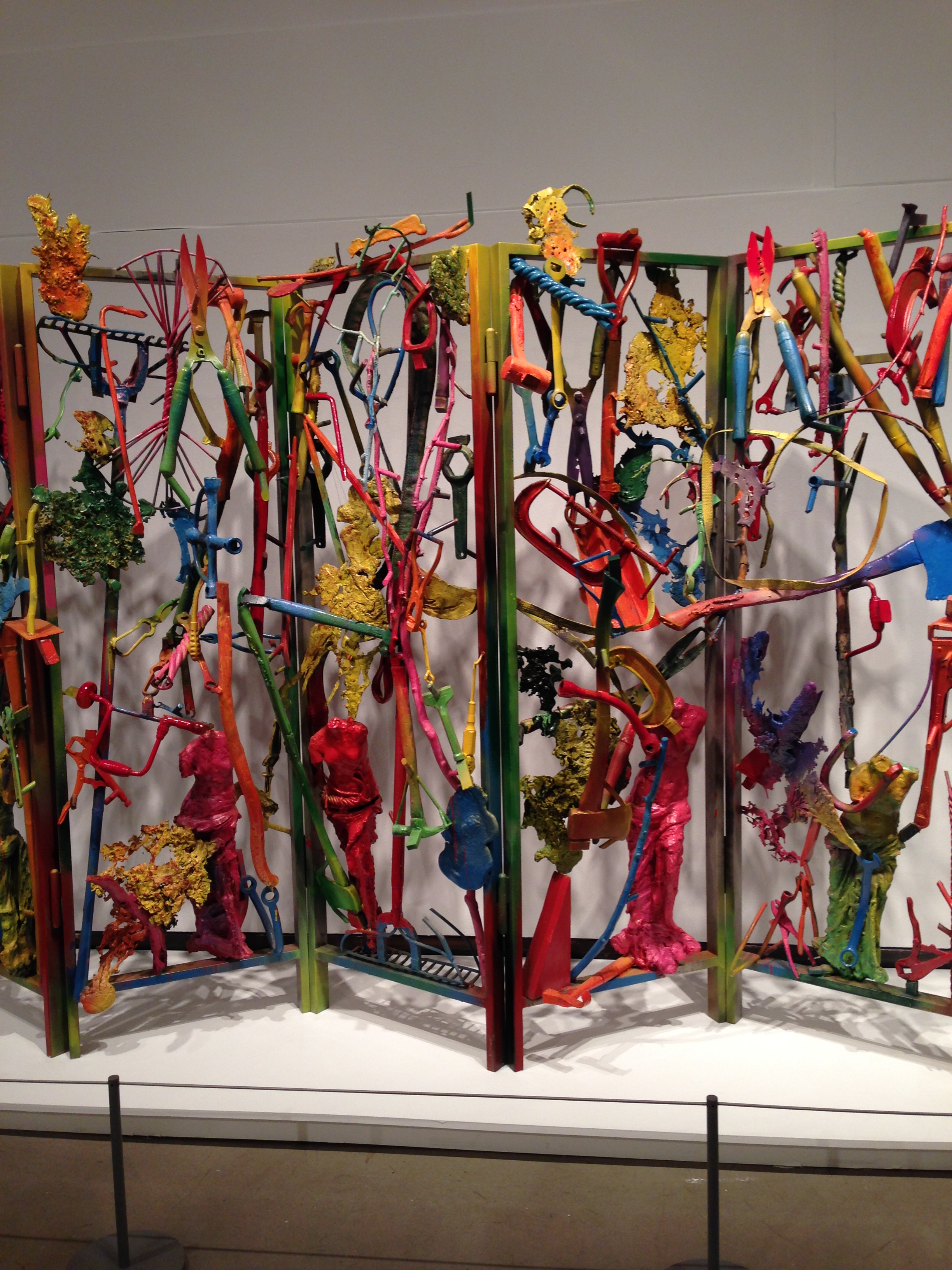
There were two pieces that stood out for me. The first (above) was an HD video projection called “1000 Paths(To The Divine) . The piece is by Sean Capone, a projection artist based in New York City who presents simulated floral vistas, with a focus on pattern and decoration. 1000 Paths (To The Divine) “suggests a continuous cycle of growth, death, and rebirth by immersing the viewer in a morphing virtual garden.” Another piece I really liked (see below) was by Pop Artist, Jime Dine.

The Garden of Eden, Jim Dine (2003)

The Garden of Eden, Jim Dine (2003)


Last Week To See Alice Aycock’s “Park Ave Paper Chase”

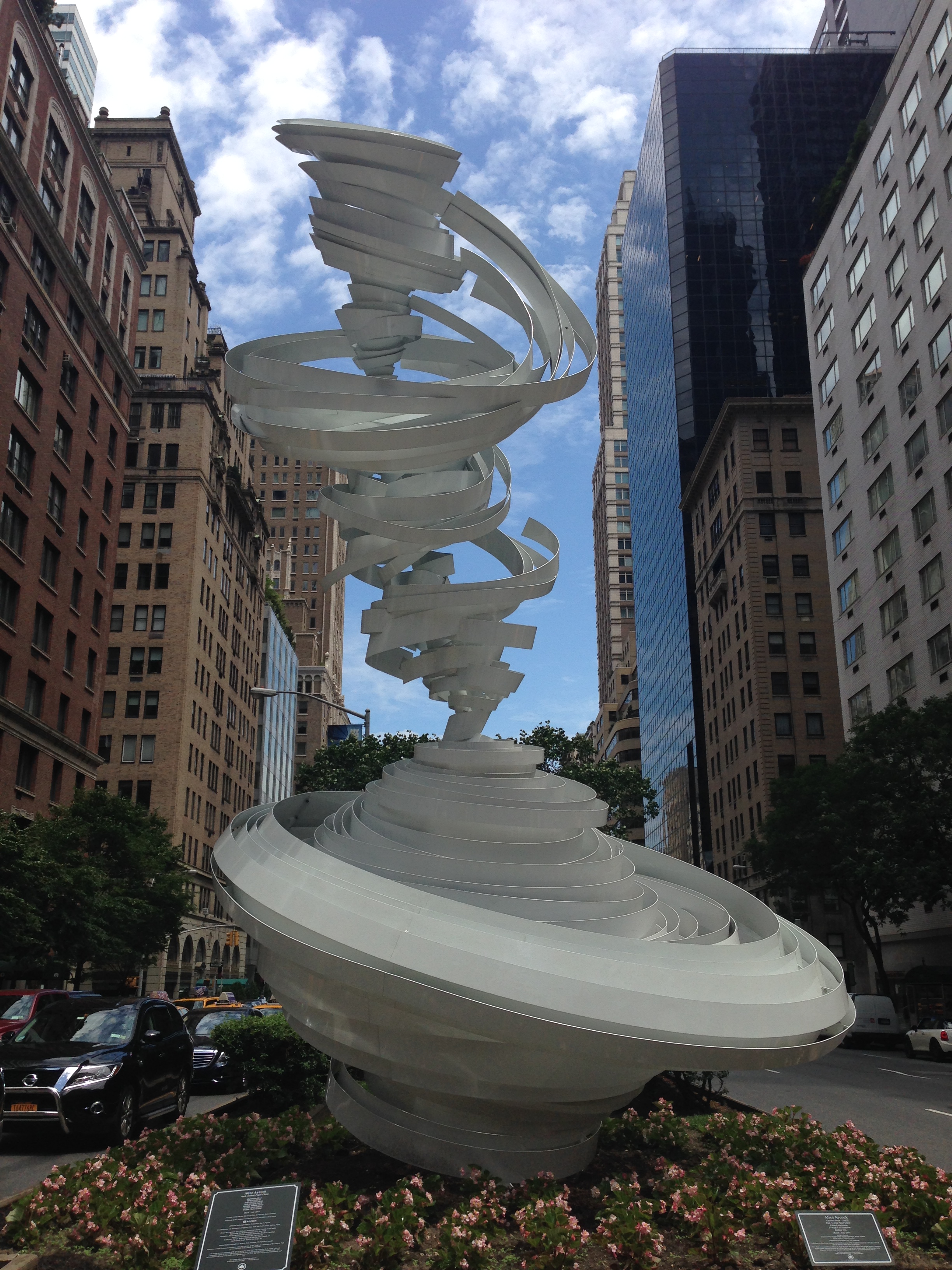
Cyclone Twist

Cyclone Twist

They’ve been up since March along Park Avenue, from 52nd-66th Street, but I just recently had a chance to look at them close-up. I’m talking about a suite of seven huge sculptures in aluminum and fiberglass that were created by sculptor, Alice Aycock. The group of sculptures is called “Park Avenue Paper Chase,” and are said to be inspired by tornadoes, dance movements and drapery folds.

My favorite was Cyclone Twist which you can see on 57th Street. I found it most impressive when viewed close-up. But they are all worth seeing and they will only be on view until July 20th.

This exhibition, and others, are presented by The Sculpture Committee of The Fund for Park Avenue and the Public Art Program of the City of New York’s Department of Parks & Recreation. The Park Avenue Malls Sculpture Advisory Committee, under the auspices of The Fund for Park Avenue, was established in 2000 to identify and recommend artwork for temporary display on the Park Avenue Malls.

Stay tuned for future exhibitions.

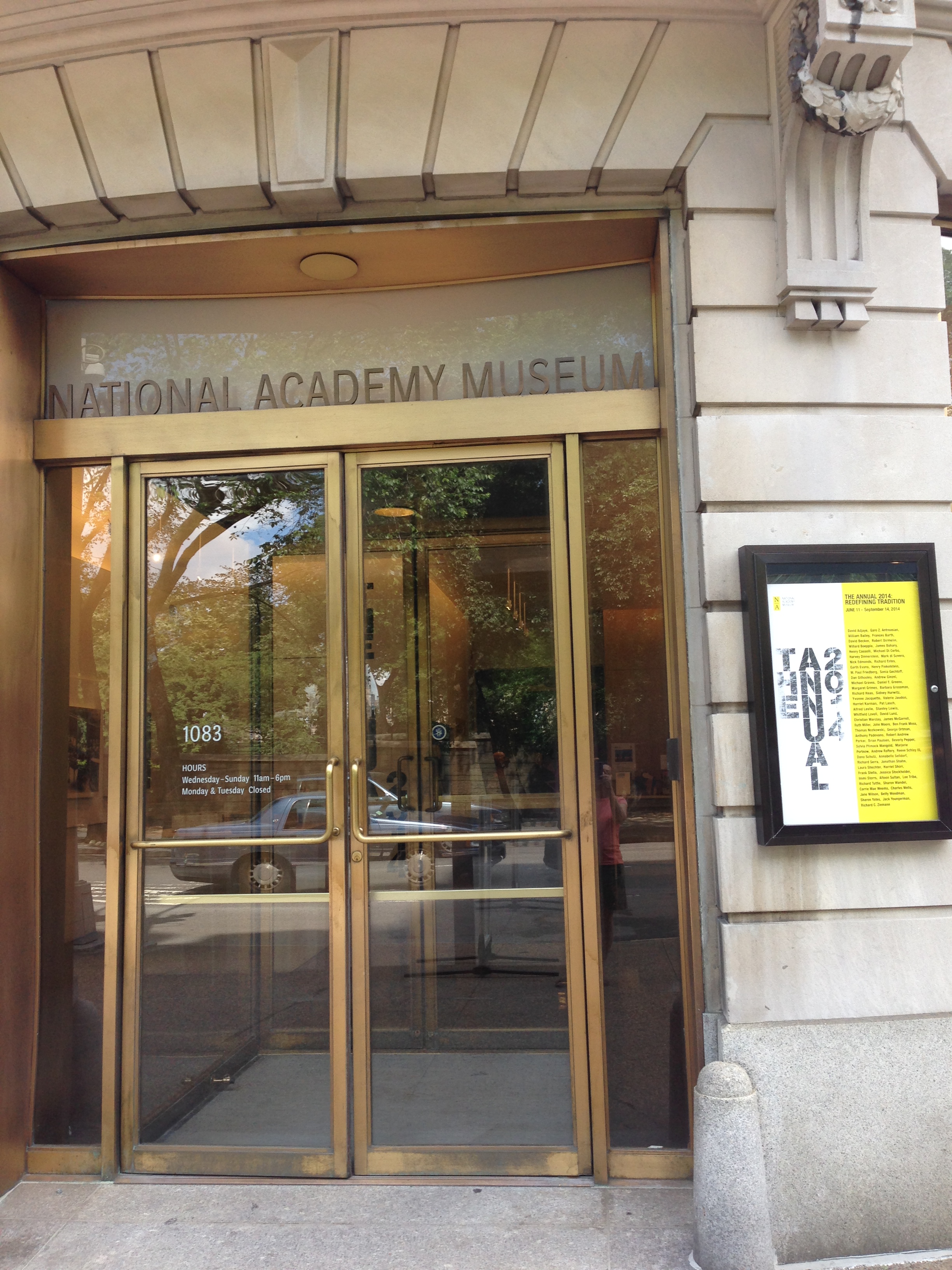
National Academy Museum: “Redefining Tradition”

front

Located on Fifth Avenue, to the north of the Guggenheim and south of the Cooper Hewitt Museum, The National Academy (founded in 1825) is an association of artists and architects; a school; and surprisingly for many people, a museum.

This slideshow requires JavaScript.

Each year the Academy Museum has an exhibit to promote the works of  a selection of their Academicians (over 300 prominent artists and architects). This year’s exhibit – Redefining Tradition – brings together multiple generations of National Academicians and “creates a constellation that illuminates affinities, connections, differences, and most importantly a relevant continuum of American art and architecture, ” according to the Academy. The exhibit includes paintings, drawings, sculpture, and architectural design from more than 60 artists and architects including Richard Serra and Carrie Mae Weems.  As a visitor, I really enjoyed the open  spaces of the exhibit areas, and the opportunity to get to know artists I was unfamiliar with, like Margaret Grimes, Barbara Grossman, and Charles Wells.

Over the year, The Academy Museum offers an eclectic selection of exhibitions. Among those on view this year was a retrospective of paintings by Swedish artist, Anders Zorn (1860-1920); “See It Loud,” seven post-war American painters whose art “grew out of abstract currents, but shifted toward representation;” and an exhibit showcasing prints from the Museum’s collection.

Redefining Traditions will be on view until September 14, 2014.

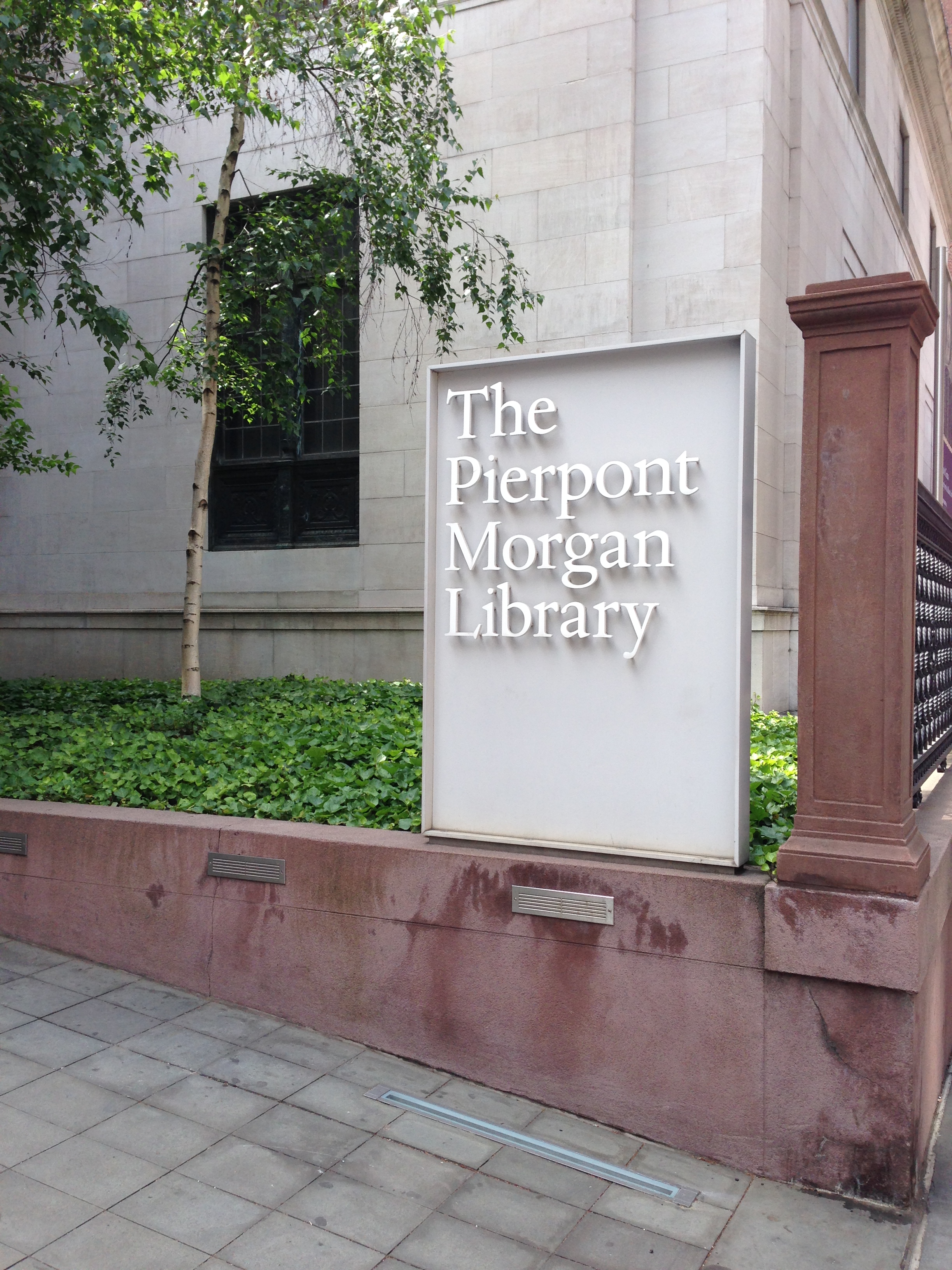
The Morgan Library and Museum: Much More Than Books


front

The Morgan Library & Museum began as the private library of financier Pierpont Morgan and was built between 1902 and 1906 next to his New York residence at Madison Avenue and 36th Street.  According to the Morgan, it was ” intended as something more than a repository of rare materials … the structure was to reflect the nature and stature of its holdings.”  In 1924, eleven years after Pierpont Morgan’s death, his son, J. P. Morgan, Jr., transformed the library it into a public institution.  Since then the building has expanded both in its physical structure and content, acquiring  rare materials as well as important music manuscripts, early children’s books, Americana, and materials from the twentieth century. The Morgan offers much more than just a vast book collection. It’s also a wonderful place to see art . Between their special exhibits and their permanent collections, there is something for everyone.

This slideshow requires JavaScript.

One exciting exhibit on view now is A Certain Slant of Light: Spencer Finch at the Morgan (through January 11, 2015).  Finch has taken films of color and applied them to the large windows found in the Morgan’s glass-enclosed Gilbert Court; which you see just as you enter the building. His work was inspired by the Morgan’s collection of medieval Books of Hours— hand-painted  personal prayer books for different times of the day and different periods of the year (also on view). To underscore his inspiration, Finch has also hung additional glass panes in the center of the Court. They reflect the colors of the other panels and create a kind of calendar based on the movement of the sun. Nearby, you can see some of the watercolors and sketches Finch created as a first step in the project.

This slideshow requires JavaScript.

To experience a different approach to light and color, visit another exhibition called, “A Dialogue with Nature: Romantic Landscapes from Britain and Germany” (until September 7, 2014). The exhibition includes thirty-seven works from the Morgan’s permanent collections. They represent  “two central elements of the Romantic conception of landscape: close observation of the natural world and the importance of the imagination,” according to the Morgan. One of my favorite painters in the collection was JMW Turner, a British Romantic landscape painter who painted during the first half of the 19th century.  One interesting aspect of his work was Turner’s scrapping, blotting, and wiping away the paint while it was still wet. Then he scratched into or drew on dry surfaces to create various details.

There are several other exhibits now on view at the Morgan and all are worth seeing, including: “Miracles in Miniature: The Art of the Master of Claude de France,” and “Sky Studies: Oil Sketches from the Thaw Collection,” as well as some interesting book collections.

When NY Art Museums Are Free/More Affordable

This slideshow requires JavaScript.

Becoming a member of your favorite art museum has many advantages. The most significant reason is the freedom to come and go as often as you like.  But it’s unlikely that you’ll want to become a member of all the art museums NY has to offer. If you find the admission price too steep at some of them, it’s good to know that almost all of the NY art museums offer a weekly opportunity to visit for free or allow you to choose the price.

When Are They Free?

Below is a list of NY art museums that offer either weekly free admissions or are always free:

American Folk Art Museum – always free

Bronx Museum of the Arts – always free

Jewish Museum – Saturdays, all day

MOMA – Fridays  4:00pm-8:00pm

Neue Galerie – First Fridays of every month from 6:00pm-8:00pm

The Rubin Museum of Art – Fridays 6:00pm-10:pm

Studio Museum of Harlem – Sundays, all day

 “Pay As You Wish” Museums

There are some museums that have a suggested donation amount. This is what they would like you to pay but will accept any amount you offer. There are other museums that have a set admissions price but have a time when they will allow you to pay whatever you wish. Below is a list of museums with both options.

Brooklyn Museum – suggested donation all the time $12 for adults

El Museo del Bario – suggested donation $9 all the time

The Frick – Sundays 11:00am-1:00pm

The Guggenheim – Saturdays 5:45pm-7:45pm

Metropolitan Museum of Art – suggested donation all the time $25 for adults

MOMA PS1 – suggested donation all the time $10 for adults

Museum of Arts and Design – Thursdays 6:00pm-9:00pm

The New Museum – Thursdays 7:00pm-9:00pm

Whitney Museum of American Art – Fridays 6:00pm-9:00pm

 5th Annual Chelsea Artwalk

Just a note regarding Chelsea Galleries. On Thursday, July 24th from 5pm-8pm you can join a free tour of the Chelsea art galleries. for more information go to: www.chelseaartwalk2014.com